

UAVs and ROVs
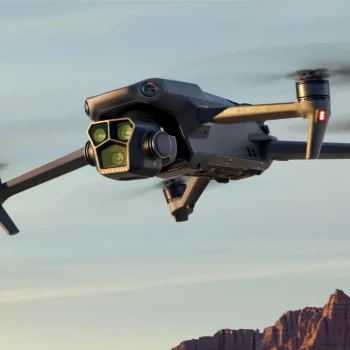
Unmanned aerial vehicles (UAVs), commonly known as drones, and remotely operated vehicles (ROVs) are extensively used across industries such as surveillance, inspection, and logistics. However, their operation in cold and wet environments presents significant challenges. Ice formation and moisture ingress can restrict operational capability, increase costs, elevate safety risks, and lead to environmental impacts.
Why Super Hydrophobic Coatings for UAVs & ROVs
Superior hydrophobic coating such as Gentoo Pro Shield is proven in mitigating the effects of ice, snow, and rain on critical equipment, including drones and remotely operated vehicles (ROVs). Gentoo Pro Shield creates highly water-repellent surfaces that inhibit the adhesion of ice and snow, allowing moisture to shed efficiently. By forming a protective barrier, they also reduce water ingress into sensitive electronic components, lowering the risk of short circuits and equipment damage.
Field testing conducted further confirms the effectiveness of these coatings in preventing ice buildup, snow accumulation, and water penetration. Applying hydrophobic coatings to mission-critical systems can substantially enhance performance, reliability, and operational safety in severe weather conditions.
Prevention of Ice Formation
Gentoo®proshield hydrophobic coating minimize the contact area between water and the surface, disrupting the ice nucleation and crystallization process. This preventative effect significantly reduces the likelihood of ice forming on essential components such as propellers, sensors, and circuit boards in drones and ROVs.
Ice Release
In cases where ice does form, the low surface adhesion provided by superhydrophobic coatings enables rapid ice shedding. Normal vehicle motion or vibration is often sufficient to dislodge accumulated ice, preventing performance degradation and loss of control.
Improved Durability and Longevity
By protecting drones and ROVs from exposure to ice, snow, and rain, superhydrophobic coatings improve overall durability and extend service life. Reduced environmental stress leads to lower maintenance demands, fewer repairs, and increased operational uptime, making these systems more reliable in demanding environments.
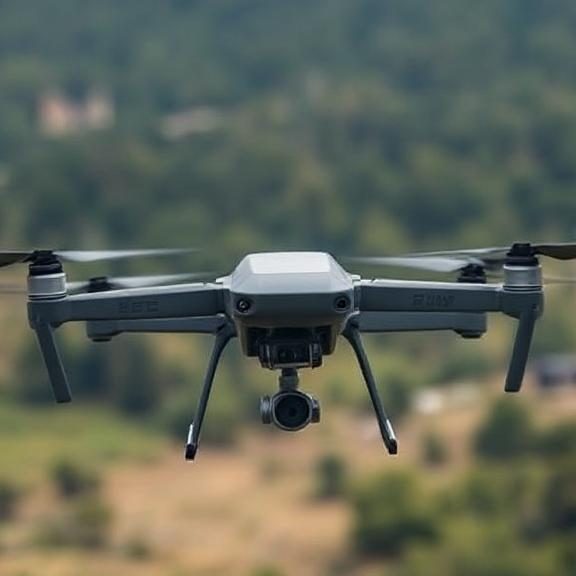

Gentoo protects the camera lens
100% Clarity provided
The hydrophobic properties of Gentoo are shown in the table below. The treatment exhibits contact angles of >110° and an average watershed angle of ~3–11°, depending on water drop size. Gentoo leaves little to no trail of water, whereas all uncoated substrates leave a significant trail. Gentoo does not affect the transparency of the substrate, exhibiting negligible haze and retention of 100% clarity.
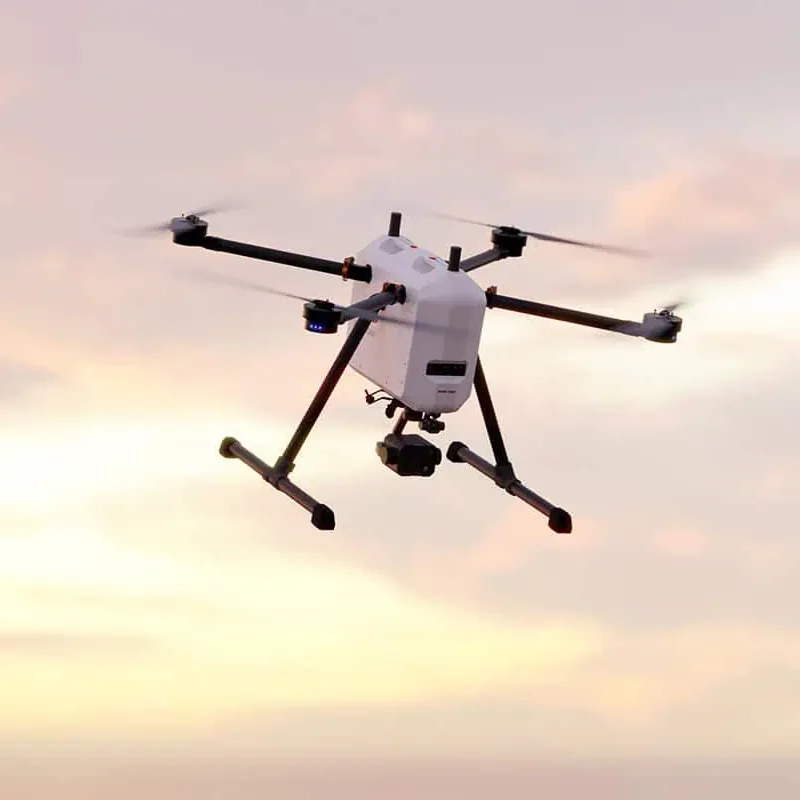
Camera Lens Clarity
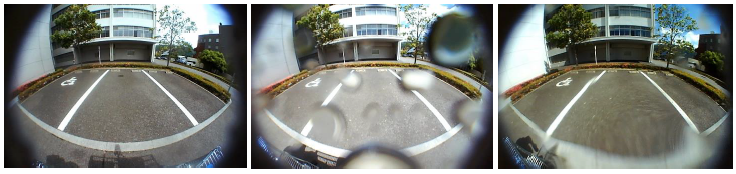
Repells Water and grimefor Clear Vision
Icing on UAVs and ROVs
Efforts to address ice formation on drones and its impact on flight operations are both timely and commendable. In sectors such as search and rescue, military operations, fire services, and critical healthcare logistics—where rapid response is essential and weather-related delays are unacceptable—drone reliability can be a matter of life and death. Ensuring dependable and efficient operation in these high-stakes environments is therefore imperative.
Icing presents significant challenges for both drones and remotely operated vehicles (ROVs), with far-reaching consequences for performance, safety, and cost. Key considerations include the following:
Operational Challenges
Ice accumulation can impair sensors, disrupt aerodynamics, and increase weight, all of which reduce efficiency and operational performance in cold and harsh environments.
Financial Implications
Conventional anti-icing solutions often involve higher production costs, increased technical complexity, and a larger digital or operational signature, leading to elevated expenses. Weather-related maintenance, repairs, and downtime further compound these financial burdens.
Safety Risks
Icing can degrade manoeuvrability, compromise control systems, and significantly increase the risk of accidents or collisions. Ice-related malfunctions can jeopardize mission-critical operations, including search and rescue efforts.
Environmental Impact
Anti-icing technologies frequently require additional energy, contributing to higher carbon emissions. Moreover, failures or incidents caused by ice accumulation may result in environmental damage, particularly in sensitive ecosystems where ROVs are used for research and exploration.
Holistic Approach
Effectively mitigating icing risks requires a coordinated, holistic strategy involving regulatory authorities, industry stakeholders, and environmental organizations. Collaborative efforts are essential to establish safe operational guidelines for drones and ROVs in challenging conditions.
Clear Vision
Ongoing research and technological innovation are critical to developing more effective solutions,Gentoo leaves little to no trail of water, whereas all uncoated substrates leave a significant trail. Gentoo does not affect the transparency of the camera lens, exhibiting negligible haze and retention of 100% clarity and 100% repellency against water and other contaminents.
Electrical insulator
Why hydrophobic coatings are best?
Electrical Insulation
Silica-based hydrophobic coatings have gained widespread attention for their exceptional water-repellent properties. Coatings such as Ultra-Ever Dry (UED) use silica particles to create surfaces that strongly resist water adhesion. These coatings can be applied to a wide range of substrates—including metals, glass, and plastics—making them highly effective for moisture protection across many applications.
What distinguishes Gentoo & UED and similar coatings is their use of silica (silicon dioxide), which provides several key advantages:
Water Repellency
Silica-based coatings mimic the “lotus effect,” where water droplets form beads and quickly roll off the surface. This self-cleaning behavior helps keep treated surfaces dry and reduces prolonged water exposure.
Electrical Insulation
Silica is an excellent dielectric material with low electrical conductivity. When incorporated into coatings like UED, it enhances electrical insulation by preventing moisture from reaching sensitive electronic components. This protection helps safeguard circuit boards, connectors, and other electrical systems from water-induced failures.
Dielectric Properties
Due to its insulating nature, silica limits the flow of electrical current across treated surfaces. This characteristic is essential for applications where electrical isolation and safety are critical.
Moisture Protection
Moisture—whether in liquid form or as humidity—can significantly degrade insulating performance. UED forms a protective barrier that minimises water penetration, reducing the likelihood of short circuits, corrosion, and other moisture-related electrical issues.
Versatility and Applications
Silica-based coatings are highly versatile and suitable for a range of electrical and industrial uses. Common applications include electrical panels, circuit boards, outdoor power equipment, and exposed installations such as cables and connectors. In addition to insulation, these coatings help prevent corrosion and environmental degradation.
Durability Considerations
For long-term electrical insulation, coating durability is an important factor. While UED cures rapidly and is well suited for quick deployment, its resistance to abrasion and prolonged UV exposure should be evaluated based on the operating environment. In high-wear or outdoor applications, additional protective layers may be required.
Application Techniques
Proper application is essential to achieve consistent coverage and reliable performance. UED is relatively easy to apply, making it suitable for protecting exposed or complex components with minimal preparation.
Complementary Use
Although superhydrophobic coatings like UED provide valuable moisture resistance and supplemental electrical insulation, they are not intended to fully replace conventional insulation materials. Optimal system design should combine coatings with traditional insulation solutions as required by the application and environmental conditions.
Summary
UED’s combination of strong water repellency, dielectric properties, and ease of application makes it a practical solution for enhancing electrical insulation and mitigating moisture-related risks. When used appropriately and in conjunction with standard insulation methods, it can significantly improve the reliability and longevity of electrical systems.
Protects and Insulates
Hydrophobic coatings, including silica-based formulations, provide significant advantages for drones and underwater vehicles operating in harsh environmental conditions. These coatings do more than repel water—they also protect surfaces from dust, dirt, and environmental contaminants, helping to preserve both mechanical and electrical integrity.
Improved Performance in Wet and Cold Environments
Drones and underwater vehicles frequently operate in rain, snow, and high-moisture conditions. Coatings such as Gentoo & Ultra-Ever Dry help safeguard electrical components by preventing water intrusion and maintaining the insulating properties of circuit boards and electronic systems. Similarly, coatings like Hirec protect critical components from ice and snow accumulation, ensuring consistent performance in cold environments.
Reduced Maintenance Requirements
By forming a durable barrier against moisture and environmental exposure, superhydrophobic coatings significantly reduce maintenance demands. This benefit is especially valuable for vehicles deployed in remote or difficult-to-access locations, where servicing and repairs are costly, time-consuming, or impractical.
Extended Electronics Lifespan
Moisture, ice, and snow are leading contributors to the degradation of electronic and mechanical components. Applying superhydrophobic coatings provides proactive protection, extending the operational lifespan of critical systems. This results in longer service intervals, improved reliability, and reduced costs associated with repairs and premature equipment replacement.

Contact us
If you have an issue with Grafitti and tagging, contact us using this form and we will get back to you withing 24hrs


Hirec®
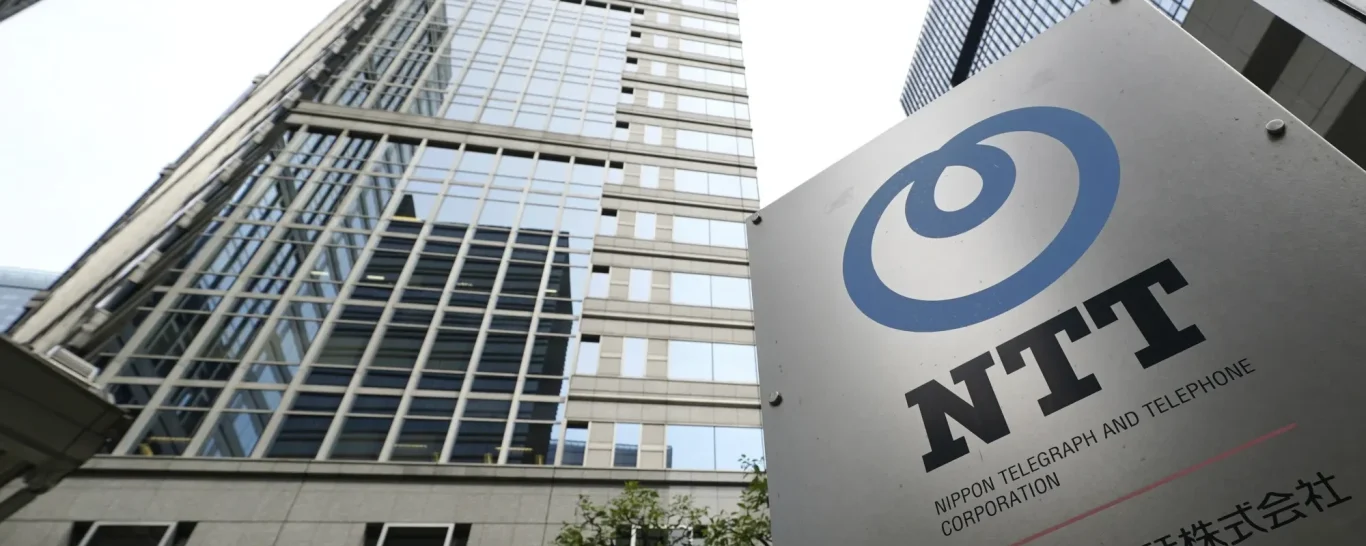
Sunario are a Partner Agent and Distributor for Hirec® Advanced Coatings working with NTT Advanced Technology Group
NTT- Advanced Technology
NTT Advanced Technology Corporation (NTT‑AT) is the technology core of the NTT Group, Japan’s largest telecommunications company, and serves as its main vehicle for turning advanced R&D into practical solutions. Founded in 1976 as NTT’s technology development support division, NTT‑AT now operates as an “Integrated‑Value Provider,” transforming NTT Laboratories’ research into commercial products and services across ICT, materials, nanotechnology and advanced engineering fields.
Water droplets on PFAS-free HIREC coated material. 150° water contact angle - total repllency.
PFAS FREE SUPER HYDROPHOBIC COATING - Now Available 2026
The PFAS-free HIREC® series is a new super water-repellent paint that does not contain PFAS.
Fluorinated organic compounds (PFAS) have been widely used in many industries for many years due to their high chemical stability and excellent water repellency.
However, in recent years, concerns have arisen about their long-term persistence in the natural environment and human body, and discussions on regulation are underway internationally.
PFAS Free coatings - UK Regulations Complient 2026
We are UK Agents & Distributors for HIREC® Advanced Pfas free Coatings
Contact angle >150°
Microscopic surface morphology realises ultimate water repellency. Repellency on a frozen surface is crucial to realizing the effect. Even after 5 years, the contact angle remains >142°
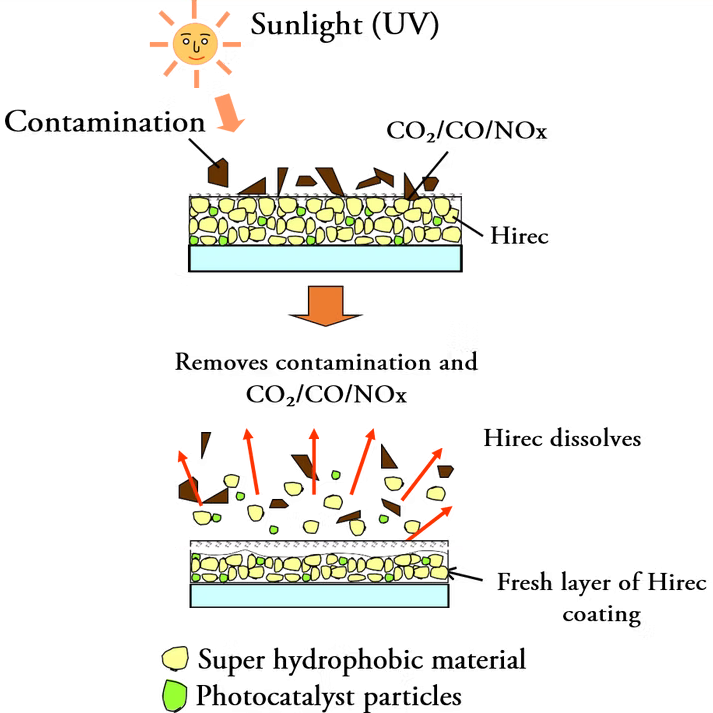
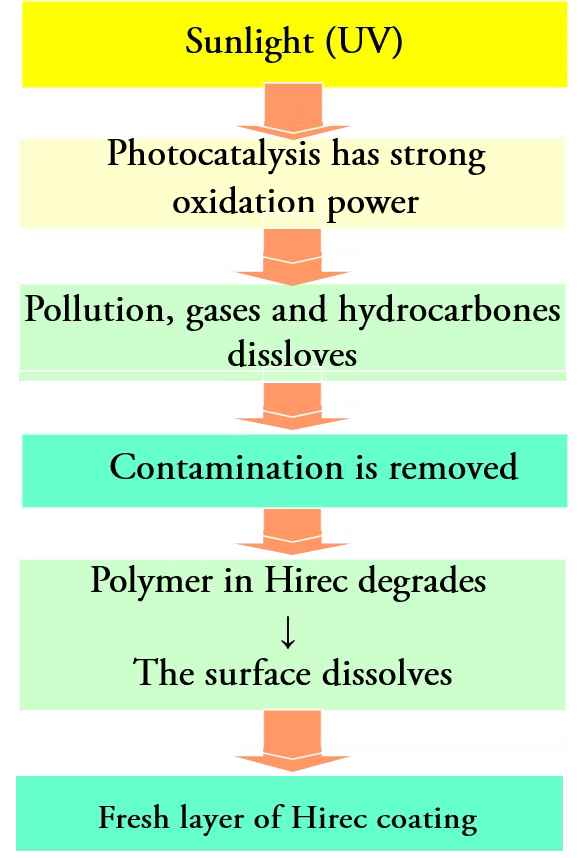
Generally, contamination on the coated surface causes degradation of performance
Hirec forms a superhydrophobic coating on the surface, leading to a strong self-cleaning effect. This means that ice, snow, water, and dirt will not form on a treated surface. The series offers various application methods, allowing for flexibility in choosing the most suitable and functional approach for different scenarios.

Hirec Super Hydrophobic Coating for extreme conditions.
Why Hirec®
Why Hirec Coating?
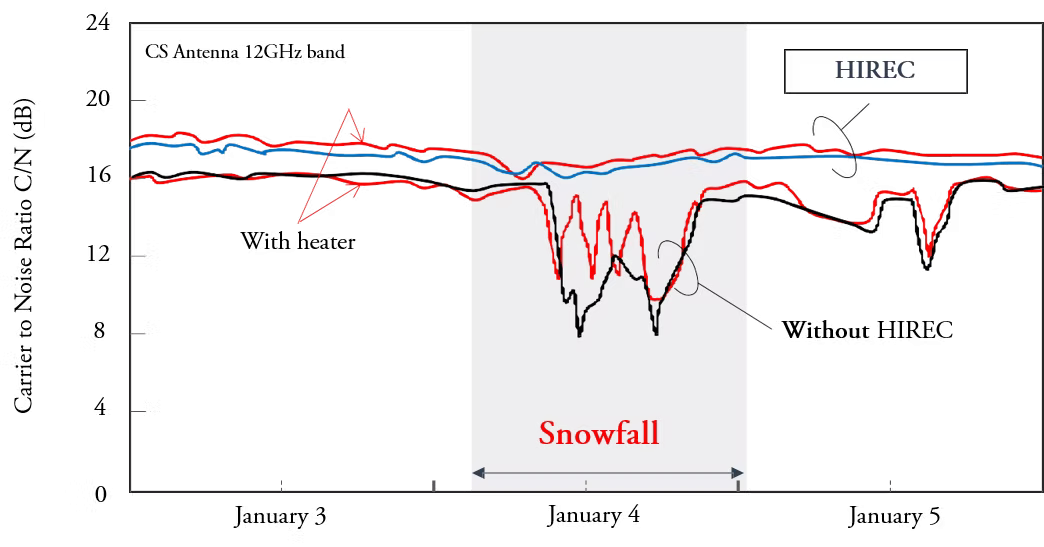
By implementing Hirec, you can minimize the costs associated with repairs or replacements that may be required due to snow and ice-related issues. Additionally, by preventing the buildup of ice and snow, you can minimize downtime, ensuring the smooth and uninterrupted operation of critical equipment.
Hirec offers a proactive solution to mitigate the risks posed by snow and ice adherence, providing a protective barrier that helps safeguard equipment, reduce costs, and minimize service interruptions. By utilizing Hirec, you can ensure the reliability and performance of critical telecommunications equipment, even in challenging weather conditions.
Hirec For Wind Turbines
Wind energy installations are expanding rapidly, particularly in cold and mountainous areas such as Scotland and the North Sea. However, operating wind turbines in these environments introduces unique challenges that can significantly affect energy output and operational reliability.
Ice Formation and Mechanical Stress
One of the most critical challenges is ice accumulation on turbine blades. Ice build-up disrupts the rotor’s balance, causing vibrations, increased mechanical loads, and, in extreme cases, forced turbine shutdowns. Detached ice fragments can also be thrown from the blades, creating potential safety hazards for nearby personnel and infrastructure.
Impact on Aerodynamic Efficiency
Icing also reduces the aerodynamic performance of turbine blades, diminishing power generation efficiency. The altered blade surface disrupts airflow, lowering lift and increasing drag—both of which directly reduce electricity production.
Ensuring Reliable Cold-Climate Performance
These factors make wind power generation in cold climates a complex and demanding task. Effective operation requires the adoption of preventive measures such as anti-icing coatings, heating systems, and real-time monitoring technologies to mitigate ice formation and maintain consistent output.
By addressing these challenges through robust engineering and active ice management strategies, operators can enhance turbine efficiency and safety, supporting the reliable delivery of sustainable energy in cold-weather regions.